
Expense Tracking: How to Use Charts and Reports for More Efficient Financial Decision-Making
Understanding the Importance of Expense Tracking
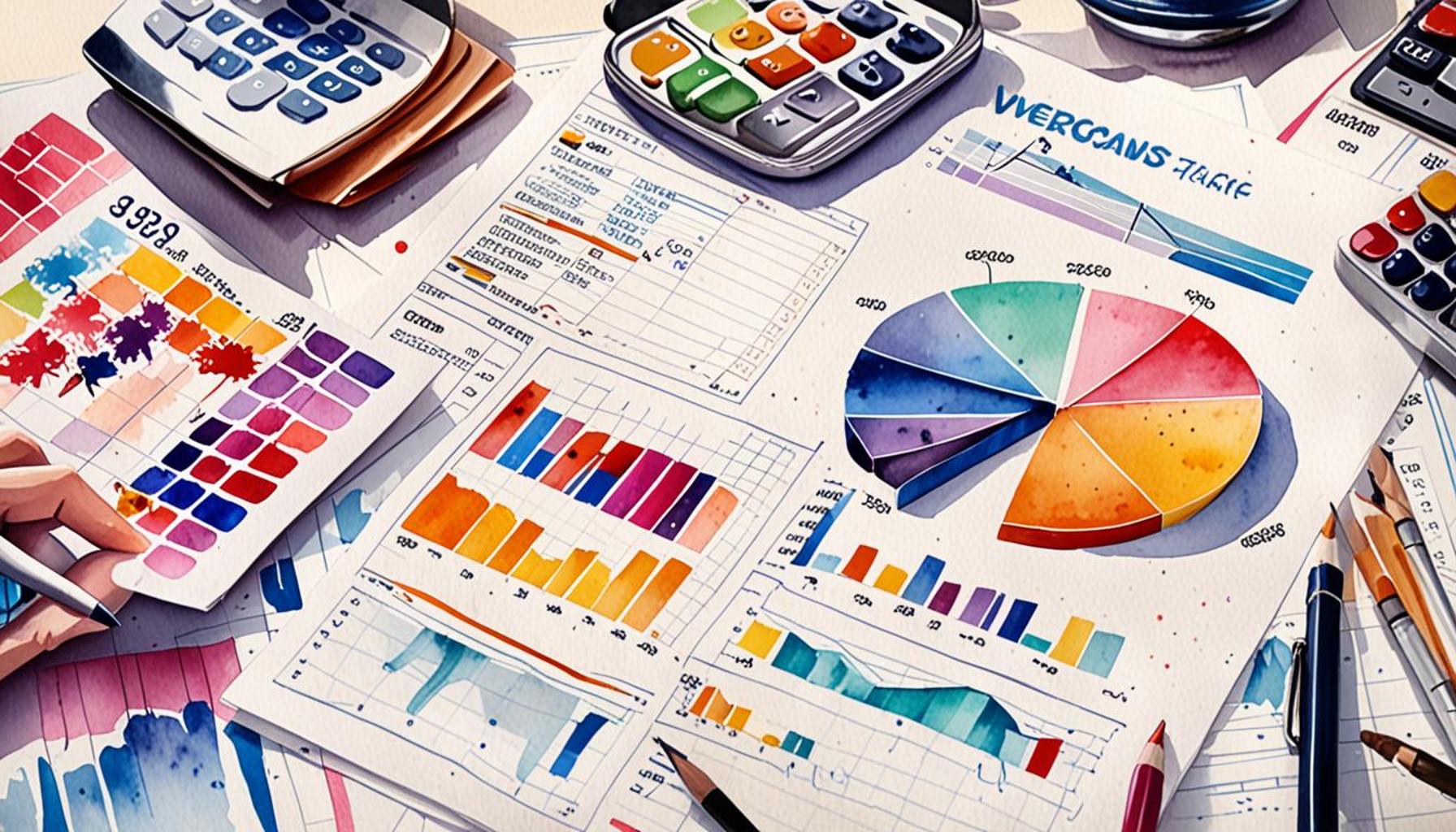
Effective financial management requires a clear understanding of your spending habits and trends. One of the most powerful tools at your disposal is expense tracking, which allows you to monitor your financial health. By utilizing charts and reports, you can gain valuable insights that lead to informed decision-making. This process is not merely an organizational task; it is an essential component of achieving long-term financial security.
Benefits of Expense Tracking
Why is expense tracking essential? The primary benefits encompass a range of practical enhancements in your financial management strategy:
- Identify Spending Patterns: By creating charts that visualize your expenditures, you can pinpoint where your money is going. For example, a pie chart might reveal that 30% of your income is allocated to dining out, prompting a reassessment of your food budget.
- Set Better Budgets: Detailed reports can indicate areas where you may need to adjust your budget to avoid overspending. If trends show an increase in entertainment expenses month after month, it may suggest the necessity for stricter budgetary controls in that area.
- Enhance Saving Strategies: Understanding your expenses can uncover opportunities for greater savings. For instance, if you regularly purchase a premium streaming service but rarely use it, you might decide to downgrade or cancel that subscription, thereby freeing up funds for savings.
Transforming Data into Actionable Insights
The use of graphs and reports is invaluable as they transform numerical data into meaningful information, thereby enhancing comprehension and clarity. This visual representation facilitates:
- Quick Comparisons: Charts enable you to easily compare expenses across various categories or periods. For example, a bar graph comparing monthly utility bills can help identify anomalies, such as an unexpected spike one month.
- Trend Analysis: By tracking changes over time, you can identify improvements or issues that may arise. An upward trend in transportation costs might encourage you to consider carpooling or investigating public transportation options.
- Goal Achievement: By monitoring your progress towards financial goals, you can effectively assess actual performance against established projections. If your goal is to save a specific amount each month, regularly reviewing your expense reports and charts can indicate whether adjustments are needed to stay on track.
Incorporating these tools into your financial management practices promotes accountability. For instance, using a dedicated expense tracking app can automate data entry and provide real-time insights into your spending habits, making it easier to adhere to your budget. With the right approach, expense tracking not only clarifies where your funds are allocated but also paves the way for more strategic financial decisions. Ultimately, this proactive engagement with your finances fosters a responsible and informed approach to managing your wealth.
DISCOVER MORE: Click here for details on applying
Leveraging Technology for Efficient Expense Tracking
In the digital age, managing your finances has been revolutionized by technology, making expense tracking more accessible and effective than ever. With a variety of tools available—ranging from mobile applications to comprehensive software programs—individuals have the ability to seamlessly record and analyze their spending. Utilizing these technologies not only streamlines the process but also enhances accuracy and provides insights that lead to smarter financial decisions.
Choosing the Right Tools
When embarking on the journey of expense tracking, selecting the appropriate tools is crucial. The right software or application can greatly impact how effectively you manage your finances. Here are several factors to consider when choosing your expense tracking tool:
- User-Friendly Interface: Look for applications that offer intuitive navigation and easy data entry. A user-friendly interface ensures that you are more likely to maintain regular tracking habits.
- Integration Capabilities: Many expense tracking tools can connect with your bank accounts and credit cards, automating the input of transactions. This feature can dramatically reduce the time spent entering data manually, allowing for real-time updates on your financial status.
- Customization Options: Opt for software that permits customization of spending categories tailored to your unique financial situation. This flexibility enhances accuracy when analyzing your expenses in relation to your budget.
- Reports and Analytics Features: Ensure that the tool you choose provides comprehensive reports and visualizations, such as pie charts and bar graphs. These features are essential for transforming raw data into actionable insights that can inform your financial decisions.
Utilizing Data Visualization
Data visualization plays a critical role in simplifying complex information and enhancing understanding of your financial situation. By leveraging charts and graphs, you can quickly identify spending patterns, spot potential issues, and make informed decisions. Key aspects of data visualization include:
- Quick Insights: Visual representations such as line graphs can illustrate changes in your spending behavior over time, helping you quickly recognize whether your financial habits are improving or declining.
- Highlighting Discrepancies: A bar chart contrasting monthly expenses across categories enables you to spot discrepancies that may require immediate action. If you notice an unauthorized spike in expenses in a particular category, you can investigate and address the issue promptly.
- Setting Benchmarks: By documenting your expenses visually, you can establish benchmarks for future spending. For example, if your chart shows a consistent trend of overspending on groceries, this data can motivate a reassessment of your meal-planning strategy to align with budgetary limits.
Incorporating these data visualization strategies not only aids in the comprehension of your financial standing but also encourages proactive engagement with your budget. By continuously analyzing your expenses through visual tools, you can cultivate a framework for making informed and efficient financial decisions that align with your goals.
LEARN MORE: Click here for an easy step-by-step guide
Interpreting Reports for Strategic Decision-Making
The power of expense tracking lies not only in accurately recording data but also in the ability to interpret and utilize financial reports effectively. By understanding the various reports generated by your expense tracking tools, you can derive valuable insights that facilitate informed decision-making. The primary reports you should focus on include:
Monthly Expense Reports
Monthly expense reports are essential for evaluating your financial performance within a specific time frame. These reports provide a snapshot of how much you have spent across different categories compared to your budgeted amounts. Key components of a monthly expense report include:
- Category Breakdown: This section displays your spending segmented into categories, such as groceries, entertainment, and utilities. By analyzing this breakdown, you can identify which areas consume the most resources, enabling targeted budgeting adjustments.
- Comparative Analysis: Comparing this month’s expenses against previous months allows you to track spending trends over time. A consistent increase in spending in a particular category may signal a need to revisit your budgeting strategies.
- Variance Reports: This element of the monthly report highlights discrepancies between planned versus actual spending. Understanding the reasons behind these variances can help you make quick adjustments to prevent future overspending.
Year-to-Date Reports
Year-to-date (YTD) reports provide a longer-term view of your financial habits, offering insights that monthly reports may miss. This report aggregates all your expenses from the beginning of the year to the present, allowing you to:
- Evaluate Long-Term Trends: YTD reports are critical for assessing changes in financial behavior over the entire year. By identifying consistent patterns, such as seasonal spending spikes, you can better prepare for future financial planning.
- Assess Financial Goals: Comparing YTD expenses against your financial goals helps you gauge progress. For instance, if your aim is to save a specific amount by year-end, the YTD report can show whether you are on track or if adjustments are necessary.
- Identify Areas for Improvement: A thorough examination of YTD reports can expose longstanding issues, such as recurring overspending in essential categories. This data can guide strategic conversations about lifestyle changes or financial education to enhance fiscal responsibility.
Using Forecasting and Budgeting Reports
Forecasting reports enable you to predict future expenses based on historical spending patterns. Utilizing these reports can further enhance your financial decision-making in several ways:
- Setting Realistic Budgets: By interpreting past expenditure patterns, you can establish more accurate budgets that truly reflect your spending tendencies. This approach allows you to allocate your resources according to realistic expectations, reducing the likelihood of overspending.
- Planning for Future Events: Forecasting helps in preparing for anticipated expenses, such as holidays or significant life events, by alerting you to the financial adjustments needed to accommodate these costs.
- Proactive Financial Management: Regularly reviewing forecasting reports can maintain your financial health by guiding you to proactively adjust your budget before issues arise. Identifying potential shortfalls allows for timely action to mitigate financial strain.
In essence, understanding and effectively interpreting financial reports transforms expense tracking from a simple record-keeping exercise into a powerful tool for strategic financial management. By harnessing the insights gained from these reports, individuals can make informed decisions that align their spending with their long-term financial goals.
DISCOVER MORE: Click here to learn how to apply
Conclusion
In summary, effective expense tracking serves as a cornerstone for sound financial management. By leveraging various reports and charts, individuals can gain critical insights into their spending habits, optimize their budgets, and make more strategic financial decisions. The importance of monthly expense reports, year-to-date analyses, and forecasting reports cannot be overstated, as they provide a comprehensive view of your financial landscape and highlight areas that require attention or improvement.
The data-driven approach presented by these tools empowers users to identify trends, assess their financial goals, and respond to variances in spending effectively. Establishing realistic budgets based on accurate historical data not only reduces the risk of overspending but facilitates proactive financial planning for anticipated future expenses. As financial situations evolve, regularly revisiting these reports is essential for maintaining a clear understanding of one’s financial health.
Utilizing expense tracking and its accompanying reports creates a roadmap for informed decision-making that can lead to sustained financial success. By fostering a habit of reflection and adjustment based on the insights gained, individuals can not only navigate their current financial landscape but also strategically position themselves for future growth. Ultimately, embracing expense tracking as a dynamic tool can transform financial management from a daunting task into a streamlined process, guiding individuals toward achieving their long-term financial objectives.

Linda Carter
Linda Carter is a writer and financial expert specializing in personal finance and financial planning. With extensive experience helping individuals achieve financial stability and make informed decisions, Linda shares her knowledge on our platform. Her goal is to empower readers with practical advice and strategies for financial success.