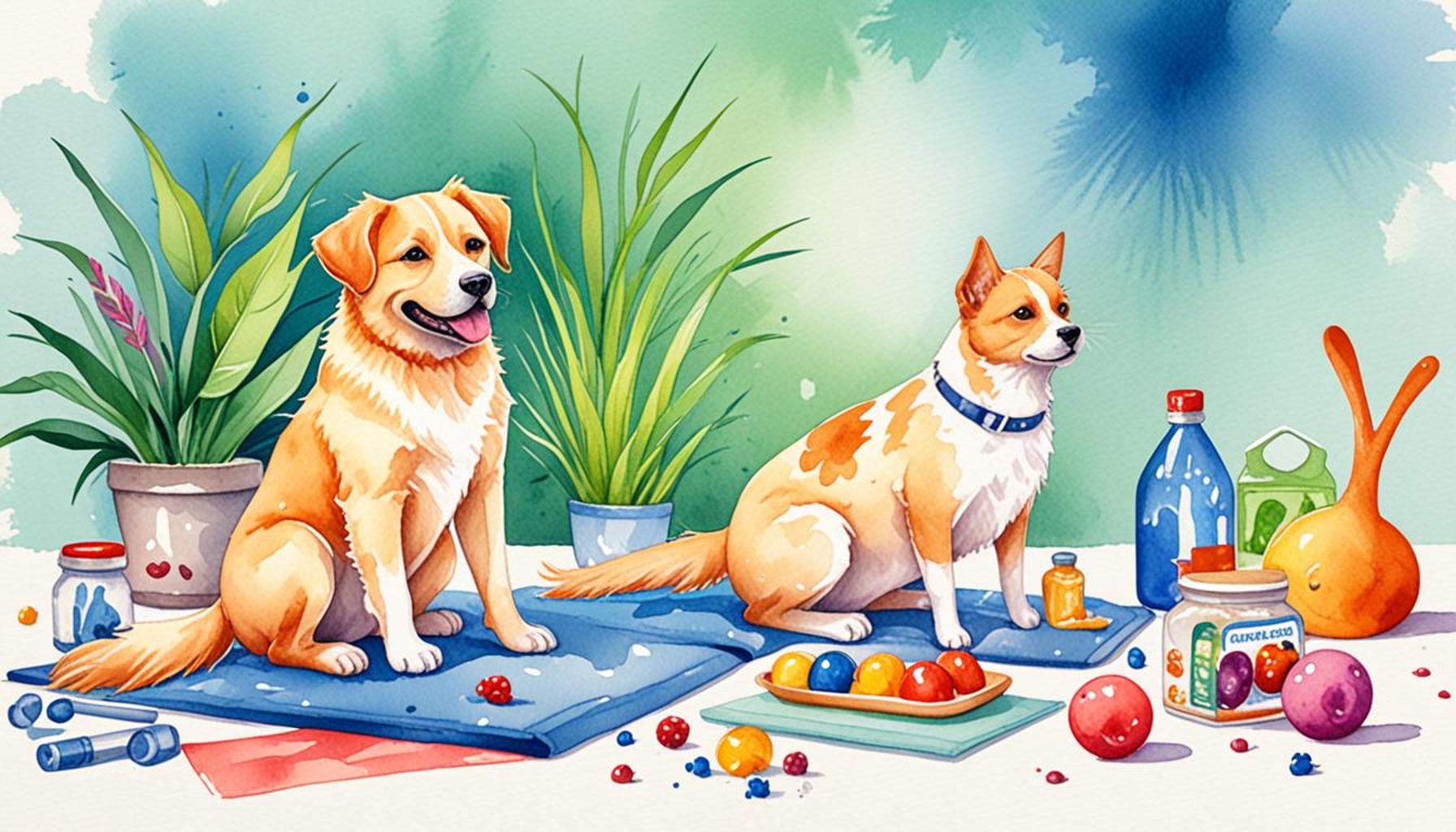
The influence of pets on reducing anxiety in children and adolescents

Exploring the Positive Influence of Pets on Mental Health
Pets are not just charming companions; they play a critical role in supporting the mental health of children and adolescents. From loyal dogs wagging their tails to playful kittens batting at strings, these animals often become vital emotional anchors in the lives of their owners. Numerous studies have shown that spending time with pets can lead to significant reductions in anxiety levels, creating a calming effect that is indispensable during challenging times.
Unconditional Love
Pets offer unconditional affection, often serving as safe havens for young people facing stressors such as academic pressure or social challenges. The simple act of petting a dog or cuddling with a cat can stimulate the release of oxytocin, often referred to as the “love hormone.” This neurochemical boost helps foster feelings of love and trust, creating a soothing environment for children and teens. For instance, a child facing bullying at school may find solace in the unwavering loyalty and presence of their pet, rendering a small space of personal happiness amidst turmoil.
Routine and Responsibility
Another significant benefit pets provide is the establishment of routine and responsibility. Feeding, grooming, and exercising a pet teaches children life skills and fosters a sense of purpose. This structure is crucial for emotional stability, especially in a rapidly changing world. In Nigeria, where families often balance numerous responsibilities, integrating pet care into daily routines helps instill discipline. For example, a teenager who takes responsibility for walking the family dog each morning may develop a more organized approach to their own studies and personal responsibilities.
Social Connection
Pets can also be wonderful icebreakers, encouraging social interactions and friendships. Common interests in animal care foster community and camaraderie among peers. In Nigerian neighborhoods, pet-friendly events can serve as meeting points for both children and adults, promoting camaraderie among families who share a love for animals. Owning a pet can thus transform feelings of isolation into a web of social support, providing companionship not just from pets but also from fellow pet owners.
Physical Activity
Engagement in activities with pets, such as taking dogs for walks or playing catch, contributes to essential physical activity that benefits mental health. Physical exercise is known to release endorphins, chemicals in the brain that relieve pain and reduce stress. In an era where sedentary lifestyles are on the rise, pet ownership encourages a more active lifestyle, promoting both physical and mental wellness among young individuals.
In Nigeria, where cultural attitudes towards animals often embody values of kinship and family, the role of pets in enhancing emotional resilience becomes even more pronounced. As the number of households welcoming pets grows, it is vital to recognize how these beloved companions can enrich lives and support mental well-being.
As we examine the profound connection between pets and anxiety relief, it’s clear that these furry friends hold the potential to transform lives. The relationship between human beings and animals is not merely transactional; it is deeply relational and impactful. Investing in this bond could pave the way for healthier, happier future generations.
LEARN MORE: This related article may interest you
The Psychological Benefits of Pet Ownership
The emotional bond between pets and their young owners can profoundly affect mental well-being, particularly in children and adolescents grappling with anxiety. Mental health concerns among youths are rising alarmingly, and many seek accessible methods of coping with their feelings. Research indicates that pets serve as significant contributors to alleviating anxiety, presenting unique solutions to parents and guardians in Nigeria who are keen on improving their children’s emotional resilience.
The Role of Pets in Emotional Regulation
Interactions with animals can produce a sense of emotional stability that is often needed during tumultuous times in a child’s life. For many children, pets provide a reliable source of support, helping to cushion the effects of stress-inducing situations such as exams, peer pressure, or family issues. Numerous studies link the presence of pets with a decrease in cortisol levels — a hormone associated with stress. For example, a child who is anxious about school may feel their heart rate slow and their anxiety diminish while cuddling a dog or listening to a cat purr.
Benefits of Companion Animals on Children’s Behavior
The companionship offered by pets encourages children to communicate freely about their emotions and experiences. This interaction serves as a non-threatening outlet for children to express feelings that might otherwise be bottled up. Here are key behavioral benefits observed in children who own pets:
- Improved Confidence: Caring for pets leads to a sense of achievement, improving a child’s self-esteem.
- Reduced Loneliness: Pets can be a source of companionship, alleviating feelings of isolation among children, especially those who struggle with social anxiety.
- Increased Empathy: Understanding the needs of a pet fosters compassion, allowing children to connect better with peers and family members.
Encouraging Mindfulness and Presence
Pets also promote mindfulness, teaching children the value of being present. Engaging with pets encourages young people to focus on the moment rather than worrying about the past or future. For instance, pet ownership requires attention to a pet’s needs, such as feeding and playing, which naturally shifts a child’s focus away from stressors. Such mindfulness practices trigger relaxation responses, lowering anxiety overall.
As the mental health landscape continues to be a growing concern in Nigeria, recognizing pets as therapeutic companions offers an additional resource for parents aiming to nurture emotional strength in their children. The relationship with pets is not just beneficial—it can be life-altering for children who feel overwhelmed by anxiety.
Research shows that the simple, joyful interaction with pets can help foster resilience and coping skills that are essential for navigating life’s challenges. The question then arises: how might we cultivate this bond between young individuals and pets to harness these benefits effectively?
| Advantage | Impact on Anxiety |
|---|---|
| Emotional Support | Pets provide constant companionship, which helps children feel more secure and less isolated. |
| Physical Activity | Interacting with pets encourages outdoor activities, which can elevate mood and reduce levels of anxiety. |
| Communication Skills | Caring for pets helps children develop social skills and confidence, decreasing feelings of anxiety in social settings. |
| Routine and Responsibility | Pets require a daily routine, instilling discipline and reducing anxiety through predictability. |
The relationship between pets and anxiety reduction in children and adolescents is deeply intertwined. Through emotional support, pets create an environment where young individuals feel cherished and understood. This companionship may significantly alleviate feelings of loneliness, particularly in children who struggle with interpersonal relationships. Furthermore, the physical activity that comes with walking or playing with a pet promotes the release of endorphins, which naturally uplift mood levels. In today’s digital age, where screen time is often prioritized over physical activity, engaging with pets offers a valuable escape that is not only enjoyable but also beneficial to mental health.Additionally, children who take on the responsibility of caring for pets enhance their communication skills. This interaction fosters empathy and emotional intelligence, helping kids become more comfortable in social situations and diminishing their anxiety.Lastly, the routine established by caring for a pet introduces structure into a child’s day. This predictability is essential for mental well-being, as it provides a sense of control and reduces feelings of uncertainty.As we continue exploring the profound impact pets have on the mental well-being of young individuals, it is evident that their presence is not merely a source of joy, but a crucial component in the mental health landscape.
RECOMMENDED: Check out this similar article
Socialization and Building Relationships
Pets can act as a catalyst for social interaction, helping to foster relationships among children and adolescents. The presence of a pet often encourages friendships, allowing young people to connect with peers through common interests in animals. For instance, children who are shy or struggle with social anxiety often find it easier to engage in conversations when they can talk about their pets. In Nigeria, where community and social bonds are essential to emotional well-being, the shared experience of pet ownership can break down barriers and promote inclusivity.
Engaging in Group Activities
Pet ownership can lead to various group activities such as visits to parks, participation in pet shows, or community events focused on animal welfare. These experiences not only create an environment for children to socialize but also enhance their sense of belonging. According to a study conducted by the American Academy of Pediatrics, kids with pets are more likely to engage in physical activities, encouraging healthier lifestyles while transcending social boundaries. In settings where children play together, pets can facilitate friendships that aid in combatting feelings of anxiety and loneliness.
Reduction in Feelings of Isolation
For many adolescents, feelings of isolation can be overwhelming. Owning a pet can significantly alleviate these feelings. Various surveys conducted globally show that children who have pets report feeling less lonely and more emotionally secure. In Nigeria, where societal pressures and expectations can contribute to anxiety, having a pet can be a vital source of comfort. It is not uncommon for children to seek solace in a furry friend after facing bullying or other social pressures. The unconditional love and companionship provided by pets can serve as an emotional anchor, allowing young individuals to navigate these challenges more effectively.
The Therapeutic Value of Routine
Pets instill a sense of routine in the lives of their young owners, which is crucial for emotional stability. Daily responsibilities such as feeding, grooming, and exercising a pet can provide children with a structured schedule. This sense of routine can be particularly beneficial for those dealing with anxiety, as predictability often brings comfort. In a country like Nigeria, where disruption and uncertainty can easily escalate stress levels, maintaining a consistent routine through pet care can offer a calming influence in the tumultuous lives of young people.
Additionally, research indicates that the responsibility of caring for a pet helps develop critical life skills, such as time management and organization, which contribute to emotional growth and mental resilience. By proactively engaging in pet care, children not only reduce their anxiety but also build a toolkit of skills that help them approach other life challenges with confidence.
Education on Empathy and Responsibility
Through the consistent interaction with pets, children learn important lessons in empathy and responsibility. Understanding the needs of an animal promotes a sense of compassion, which can translate into better interpersonal relationships in their daily lives. When children make decisions based on their pet’s welfare, they develop a sense of perspective that can lead to kinder interactions with peers and family. In a diverse society like Nigeria, where emotional intelligence is critical for personal and social development, these lessons from pet ownership are invaluable.
Recognizing and nurturing these aspects of pet ownership can empower parents and caregivers to use the emotional link to pets as a constructive strategy for developing healthier, happier children and adolescents, ultimately contributing to their mental health wellness.
SEE ALSO: Click here to read another article
Conclusion
In light of the extensive evidence presented, it is clear that pets wield a significant influence in reducing anxiety among children and adolescents. The multifaceted benefits of pet ownership—including fostering social connections, decreasing feelings of isolation, establishing therapeutic routines, and instilling empathy—create a holistic support system for young individuals navigating the complexities of emotional stressors. In Nigeria, where societal demands can amplify pressures on youth, the unconditional love and companionship offered by pets can serve as a necessary buffer against anxiety.
Moreover, the positive effects of pets extend beyond mere emotional support; they also contribute to the development of valuable life skills. As children learn to care for their pets, they cultivate a sense of responsibility and enhance their emotional intelligence, equipping them with tools to better manage everyday challenges. Research underscores that children with pets may show improved resilience and adaptive behaviors, essential traits in today’s ever-changing world.
As parents and caregivers, recognizing the profound impact of pet ownership on mental health can enable adults to make informed decisions about pet integration into family life. Encouraging appropriate pet ownership can lead to healthier emotional landscapes for children and adolescents, transforming anxiety into a journey of growth and understanding. With further exploration and support, the bond between kids and their pets can serve as an essential cornerstone in fostering emotional wellness across Nigerian communities and beyond.

Linda Carter
Linda Carter is a writer and pet care expert specializing in pet health, grooming, and wellness. With extensive experience helping pet owners create safe, loving, and enriching environments for their animals, Linda shares her knowledge on our platform. Her goal is to empower readers with practical advice and strategies to ensure their pets thrive and lead joyful, healthy lives.