Menu

Understanding Play Behavior in Dogs: How Interactive Games Can Strengthen the Bond with Your Pet

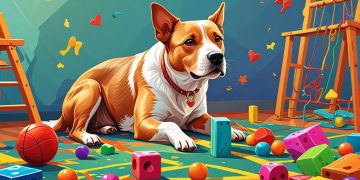
Engaging in interactive games with your dog enhances play behavior, strengthens your bond, and promotes mental and physical well-being. Understanding your pet's unique play instincts fosters deeper communication, reduces behavioral issues, and cultivates a joyful partnership, enriching both your lives through shared experiences and playful routines.

How early socialization influences pet dog behavior

Early socialization is crucial for shaping pet dog behavior and temperament, particularly between 3 to 14 weeks of age. Exposing puppies to diverse environments and experiences fosters confidence, reduces aggression, and enhances adaptability, leading to well-adjusted companions. Understanding this impact is vital for nurturing positive canine behavior.

Foraging Behavior in Dogs: How to Play in a Natural and Stimulating Way

Discover the benefits of foraging behavior in dogs, enhancing their mental stimulation, physical exercise, and bond with owners through natural and engaging play. Incorporate outdoor adventures and indoor challenges to nurture their instincts, promote problem-solving, and ensure a fulfilling and happy canine lifestyle.

Territorial marking behavior in dogs: what it means and how to manage it at home

Understanding territorial marking behavior in dogs is crucial for effective management at home. By recognizing the underlying causes and employing consistent training, designated potty areas, and stress reduction techniques, pet owners can foster a harmonious environment, enhancing both their dog's well-being and the overall household dynamic.

Effective Positive Reinforcement Techniques for Dog Training in Nigeria

This article explores effective positive reinforcement techniques for dog training in Nigeria, emphasizing the importance of building strong bonds through rewards like treats, praise, and playtime. By understanding cultural contexts, family dynamics, and incorporating social interactions, dog owners can create enjoyable training experiences that foster well-behaved, confident pets.

Barking Behavior in Dogs: What Your Dog is Trying to Say and How to Respond

Discover the fascinating world of dog communication through barking behavior. Learn to interpret different types of barks—alertness, excitement, and discomfort—and respond appropriately. Understanding your dog's vocal signals enriches your bond, ensuring a happier and more fulfilling relationship for both you and your canine companion.

Play Behavior: How Animals Use Play to Learn

Animals engage in play not just for fun, but as a crucial learning mechanism. Through play behavior, young animals develop essential survival skills, social bonds, and cognitive functions, enhancing their adaptability. This multifaceted interaction fosters emotional intelligence and cultural learning, highlighting the importance of play in their development and social integration.

The Effects of Positive Training on Pet Behavior

Positive training techniques enhance pet behavior by rewarding good actions, fostering trust, and reducing anxiety. This compassionate approach enriches the bond between pets and owners, leading to happier households. As awareness grows in Nigeria, community initiatives support pet owners in adopting effective positive training methods, creating a nurturing environment for all.

How Early Socialization Affects the Behavior of Pet Puppies

Early socialization is vital in shaping a puppy's behavior, influencing their adaptability, confidence, and interactions. Exposing them to diverse environments, people, and animals within their first few months helps prevent future behavioral issues, fostering happier, well-adjusted pets and strengthening the bond between owners and their furry companions.


Understanding Aggression in Pets: Causes and Solutions

Understanding pet aggression involves recognizing underlying causes such as fear, resource guarding, and frustration. By addressing these triggers through positive reinforcement, socialization, and environmental enrichment, pet owners can effectively manage aggressive behaviors and foster harmonious relationships between pets and humans.